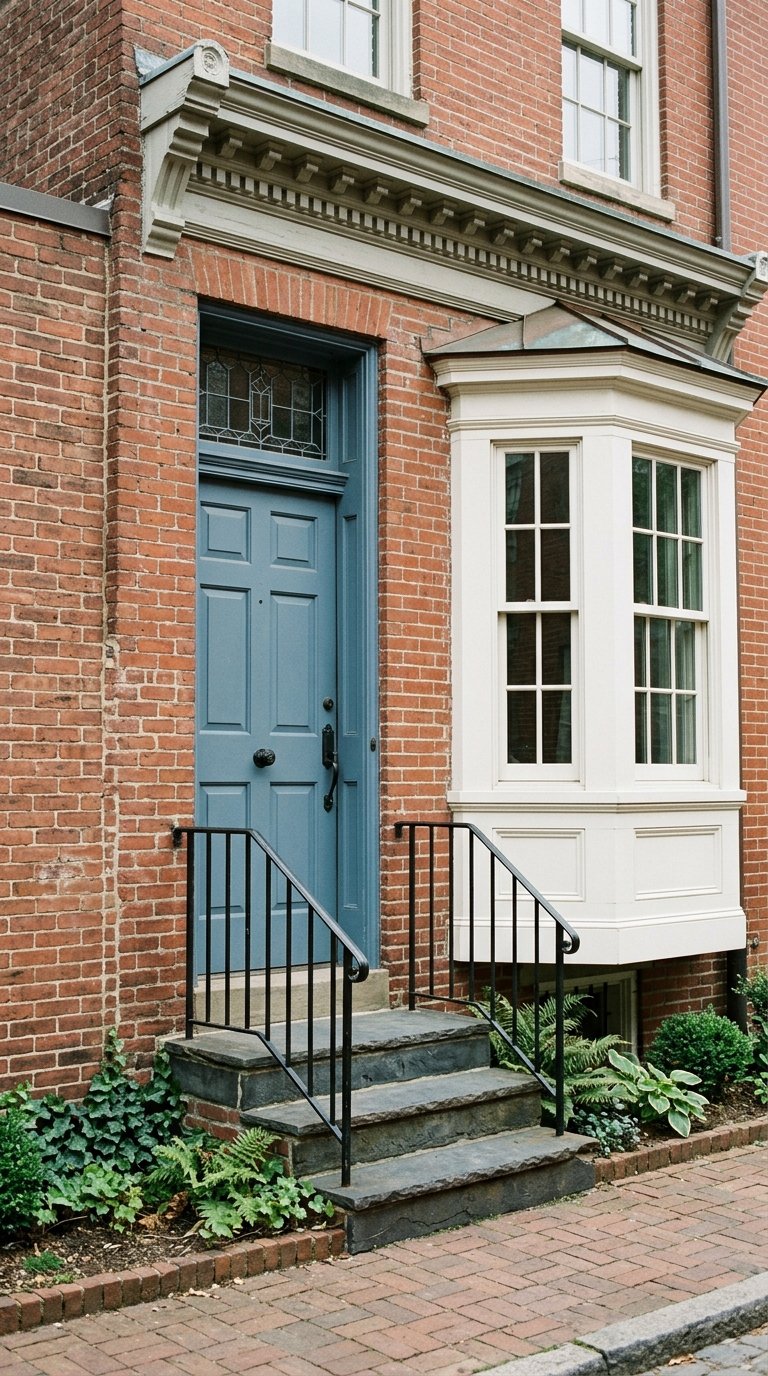
Historic Havre de Grace Home Styles And What They Offer
You can feel it almost right away in Havre de Grace. One block may offer a compact cottage with a porch, while the next features a formal brick home or a detailed Victorian with a wraparound front. If you are thinking about buying in 21078, it helps to know that the town’s historic housing is not all one look or one era. This guide will help you understand the most common historic home styles in Havre de Grace, what daily life in each can feel like, and what to watch for before you buy. Let’s dive in.
Havre de Grace’s downtown is part of the Havre de Grace National Register Historic District, which was added in 1987. Local district documentation describes an urban district of roughly a thousand buildings, with about 90% contributing to the district’s significance.
That matters because you are not shopping in a town with just one historic style. You are looking at a place shaped over time, with homes that reflect major East Coast styles from the 18th through the early 20th centuries. In practical terms, that means more variety in layout, curb appeal, and upkeep than many buyers expect.
It also means “historic” does not always mean untouched. Local property research shows that many homes have evolved with additions, updated kitchens, restored porches, modern HVAC, or rebuilt accessory structures. In Havre de Grace, historic homes are often layered rather than frozen in place.
Before you fall in love with original trim or a deep front porch, it is smart to understand how local review can work. The City of Havre de Grace preservation code creates a Historic Preservation Commission, and locally designated landmarks or districts can require Certificate of Appropriateness review for exterior and structural work before permits are issued.
At the same time, National Register listing and the Maryland Inventory are primarily recognition and documentation tools. They are not automatic restrictions on a private owner by themselves. For a buyer, the key question is whether the specific property is locally designated in a way that may trigger City review.
Some of Havre de Grace’s most appealing historic homes are compact cottages and small frame houses. These homes often feel intimate, simple, and connected to the river-and-bay setting rather than formal or grand.
Local examples show that these homes may sit on older foundations or include later additions. A house that began as a smaller Federal-style cottage, for example, may now live larger than its original footprint suggests.
If you like homes with a human scale, this style can feel especially comfortable. You may find cozy room sizes, practical upper-level bedrooms, and outdoor features like porches that expand the living experience.
Porches matter in this category. Preservation guidance notes that porches often help define a historic building’s character and can function as part of the home’s living area. In a town like Havre de Grace, that can be a real lifestyle benefit.
Smaller does not always mean simpler to maintain. Original wood porches, windows, and trim are often character-defining features, and wood porches are especially vulnerable to moisture, rot, and insect damage.
Historic windows also deserve a close look. Preservation guidance recommends repair before replacement when possible, so it is worth asking what is original, what has already been updated, and what condition those elements are in.
A rowhouse is a dwelling attached on one or more sides to another similar dwelling. Historic rowhouse plans often include a side hall, a front parlor or dining room, a kitchen at the rear, and bedrooms upstairs.
In local Havre de Grace research, you may also see the term double house, which refers to paired or two-sided dwellings found in the downtown area. Both types support the denser, more urban feel of the historic core.
If you want to be close to the energy of downtown, these homes often deliver that connection. Their continuous street frontage helps create the walkable, established feel that many buyers love in older towns.
Inside, the layouts can be efficient and easy to understand. The stacked-room arrangement also makes it easier to picture how public and private spaces were traditionally separated.
Shared walls can reduce side exposure, which is helpful, but they do not eliminate maintenance needs. The roof, front facade, windows, masonry, and porch details still play a major role in both upkeep and historic character.
Preservation guidance also notes that features relating a rowhouse to the rest of its row should be preserved. If past updates changed the entry sequence or main public rooms, you may want to understand how much original layout remains.
Federal homes are typically symmetrical, restrained, and rectangular or square in form, often with modest ornament. Greek Revival homes are more boxy and classical, with pedimented roofs and prominent entrances or porches.
In Havre de Grace, local examples include homes described as Federal, late Federal or early Greek Revival, and Greek Revival with raised basements and porticos. These are often the homes that feel most formal and orderly from the street.
These homes can appeal to buyers who love classic proportions and a clean historic look. Compared with later Victorian houses, they often present a quieter kind of character.
That can make them easier to style and live in if you prefer simplicity over ornament. You still get historic presence, but with a more restrained visual language.
Masonry condition matters in this category. Preservation guidance stresses that repointing mortar joints needs to match the historic mortar’s color, hardness, and permeability.
Improper repointing can damage brick or stone over time. If you are considering one of these homes, ask whether masonry work has been done and whether compatible materials were used.
Queen Anne homes are asymmetrical and detail-rich, often featuring wraparound porches, decorative shingles, stained glass, spindlework, and rooms arranged around a central staircase. In Havre de Grace, local research also identifies some homes as Queen Anne and Stick combinations.
These homes reflect the town’s late-19th-century Victorian boom. If you are drawn to a house with visual variety and strong curb presence, this may be the style you notice first.
This style tends to suit buyers who want personality and period detail. The floor plans can feel less rigid, and the porches often create strong indoor-outdoor connection.
For some buyers, that extra visual richness is the whole point of buying historic. These homes often make a memorable first impression and reward close attention to craftsmanship.
More detail usually means more to monitor. Wood porches, painted trim, decorative elements, and more complex rooflines can all increase maintenance demands.
Preservation guidance notes that wood porches are exposed to sun, rain, snow, and foot traffic, and that enclosing or altering them insensitively can harm historic character. If a porch has been changed, it is worth looking closely at both condition and design.
Colonial Revival homes are generally symmetrical and use classical details such as columns, pediments, fanlights, or pilasters. A bungalow is best understood as a building type, usually 1 to 1.5 stories, with a broad roofline and an integrated porch or veranda.
Local Havre de Grace examples include early 20th-century Colonial houses and bungalows with features like fireplaces, sunrooms, later additions, and updated kitchens. These homes often bridge historic charm and everyday practicality.
For many buyers, these are the easiest historic homes to picture living in right away. The layouts often feel more familiar, and bungalows in particular became popular for their efficient, modern-for-the-time design.
You may still get original curb appeal, but with a footprint that better fits current needs. That balance can be especially appealing if you want character without the formality of earlier styles.
These homes still share common historic-home concerns, especially around porches and windows. Preservation guidance continues to favor repairing historic windows before replacing them when possible.
If the home has additions, ask how they changed the original footprint and whether the current layout flows well. A well-integrated addition can add function, but not every update feels seamless.
No matter the style, a few upkeep themes come up again and again in Havre de Grace. The most common ones are wood porches, original windows, masonry mortar, and the condition of later additions.
That is why the smartest buyers look past surface charm during a showing. A beautiful porch, original sash windows, or old brickwork can be a major asset, but only if they have been maintained thoughtfully.
When you tour a historic Havre de Grace home, keep your questions simple and specific:
These questions can help you separate cosmetic charm from long-term fit. They also give you a clearer picture of what ownership may involve after closing.
The best historic home style for you depends on how you want to live. If you want a compact footprint and porch-centered charm, a cottage or bungalow may feel right. If you want downtown character and efficient use of space, a rowhouse or double house may be a better fit.
If symmetry and classic proportions matter most, Federal or Greek Revival homes may stand out. If you want rich detail and a more expressive facade, Queen Anne and related Victorian homes may be the strongest match.
A thoughtful home search is not just about identifying the prettiest style. It is about finding the right balance of layout, condition, maintenance needs, and long-term comfort.
Buying a historic home in Havre de Grace can be incredibly rewarding when you go in with clear expectations. If you want a calm, detail-focused guide to help you evaluate character, condition, and next steps, Rose Calderone & Co. is here to help.
Stay up to date on the latest real estate trends.
With deep knowledge of the Timonium market, we deliver expert guidance, proven strategies, and results-driven representation. Work with trusted real estate professionals dedicated to helping you achieve your goals.
ROSE CALDERONE & CO.
9614 Deereco Road Luthersville Timonium MD 21093