Investing in Havre de Grace Rentals: What to Review
Buying a rental in Havre de Grace can look straightforward at first glance. Then the real questions show up: Will the rent support the numbers, what hidden compliance costs come with an older property, and how much does location inside the city really matter? If you are thinking about investing in 21078, it helps to look beyond list price and focus on the details that shape cash flow, timelines, and risk. Let’s dive in.
Havre de Grace is a small city with an estimated 2024 population of 15,222 and 6,429 households. Public data also points to a market with a meaningful renter base, even though owner-occupied housing still makes up the majority of homes. That combination can appeal to investors who want a smaller local market with ongoing rental demand.
The city’s housing planning documents suggest the rental pool is relatively tight. In 2022, the city reported 6,499 housing units, 6,093 occupied units, and 406 vacant units, while noting that housing occupancy has stayed above 90% over the long term. For you as an investor, that supports the idea that well-kept rentals can remain competitive, especially when priced and maintained carefully.
Rent data should be treated as directional, not as plug-and-play underwriting. Census QuickFacts reports median gross rent of $1,416 for Havre de Grace for 2020 through 2024, while Harford County’s median gross rent was $1,586 over the same period. Those figures can help you frame the market, but they are not a substitute for property-specific analysis.
One of the more important data points in the city’s housing analysis is affordability pressure. The city reported that 44.9% of renters were cost-burdened, meaning housing costs were high relative to income. That tells you price sensitivity matters, and it reinforces the value of practical units with solid condition and manageable monthly costs.
The city also emphasizes preserving naturally occurring affordable housing and encouraging housing near transit corridors. For investors, that suggests there may be steady demand for rentals that serve working households rather than highly specialized luxury product. In simple terms, layout, condition, and total monthly cost are likely to matter as much as cosmetic appeal.
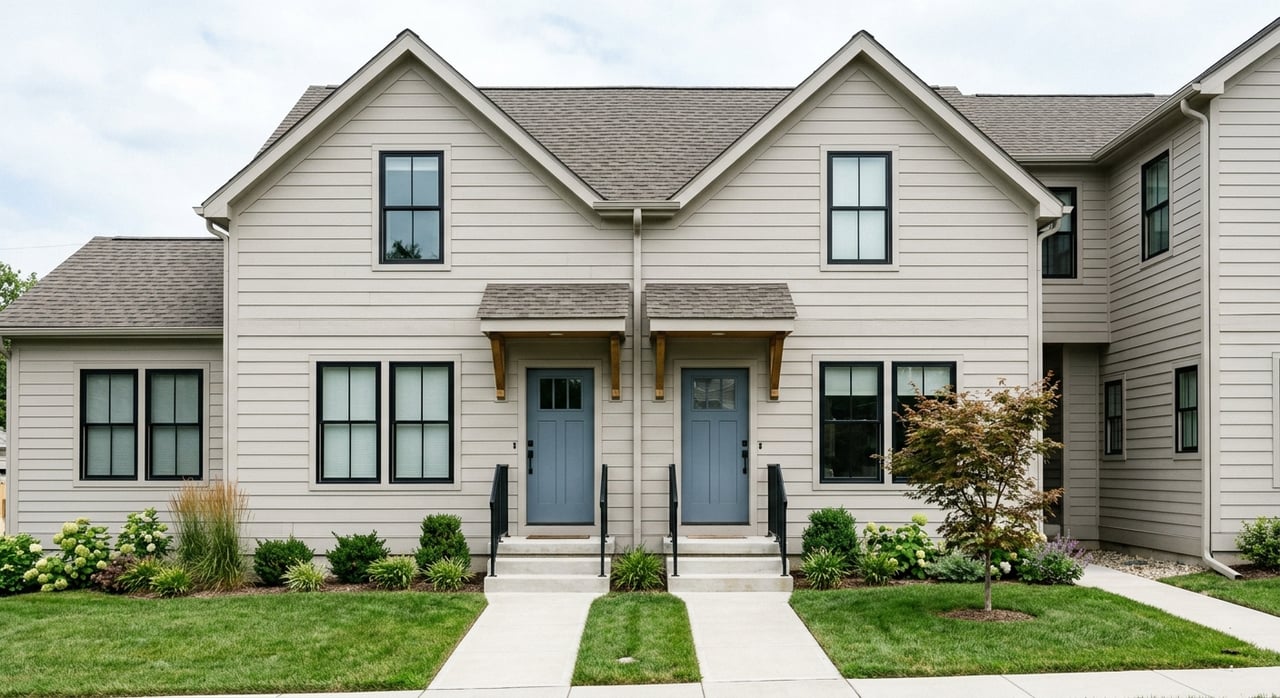
Havre de Grace is not a one-note housing market. The city describes a mix of older historic areas and newer neighborhoods, with ongoing Old Town renovation and infill alongside newer housing options. That gives you a real choice between value-add properties and more turnkey opportunities.
Planning materials also note a shift toward smaller duplex and condominium housing, with 84 new permits since 2020 for smaller duplex and condo product. That matters because investor opportunities may not be limited to detached homes. Depending on your strategy, a smaller multifamily or condo-style property may offer a different entry price, maintenance profile, or renovation scope.
The city’s housing data shows that 2-bedroom and 3-bedroom units dominate the local stock, with 1,636 two-bedroom units and 2,734 three-bedroom units. That makes those layouts especially relevant when you evaluate resale flexibility and rental appeal. A practical 2- to 3-bedroom floor plan may give you the widest audience over time.
Older properties can offer upside, but they usually demand tighter planning. In Havre de Grace, older housing may come with deferred maintenance, lead compliance, historic review, and stricter project sequencing than a first-time investor expects. A lower purchase price can be attractive, but only if your budget reflects the real work needed.
Newer or more turnkey product may reduce immediate repair risk, but your margins can depend on acquisition price and ongoing carrying costs. You may not have as much opportunity to force value through renovation. The right choice depends on whether you want stronger operational predictability or more room to improve the asset.
If your property is inside Havre de Grace city limits, rental registration is not optional. City code requires every housing unit used for human occupancy to be registered with Havre de Grace. Missing this step can trigger a $1,000 per-unit municipal infraction.
The city also requires an initial inspection by the owner or designated agent in the tenant’s presence. Signed inspection results must be submitted within 60 days of registration. That means your leasing process needs to be organized from the start, not handled as an afterthought.
This point is especially important because Harford County states that its livability code does not apply within Havre de Grace municipal limits. In other words, city rules set the baseline if the property sits inside the city. Before you close, make sure you know exactly which jurisdiction controls the property.
If you are buying an older rental, lead compliance needs to be part of your underwriting from day one. Maryland requires residential rental properties built before 1978 to be registered and renewed, and owners must meet lead risk reduction standards. That can include passing inspections at turnover and other qualifying events.
For you, this affects both budget and timeline. Work that seems cosmetic on paper may need to follow lead-safe practices, and certification timing can affect when the property is truly rent-ready. On an older house, it is smart to treat lead-related costs as a core line item, not a contingency you hope to avoid.
Havre de Grace has older housing stock, and some properties may fall within a historic landmark or district. When that happens, exterior and structural improvements require a Certificate of Appropriateness before building permits are issued. That can affect common investor projects like windows, siding, porches, additions, and other exterior changes.
This does not mean you should avoid older properties. It means you need to confirm approval requirements before you finalize your scope of work. A project that looks simple in photos can move much slower if exterior changes require another layer of review.
Flood exposure is one of the biggest underwriting variables in Havre de Grace. The city identifies flooding sources including the Susquehanna River, Lilly Run, Fountain Run, and Gashey’s Creek. It also notes that standard homeowners and renters insurance does not cover flood damage.
For some properties, flood insurance may be mandatory for federally related loans in Special Flood Hazard Areas. Even when coverage is not required, risk can still affect your operating costs and long-term planning. If you are evaluating a waterfront or low-lying parcel, insurance and risk management should be reviewed before you settle on an offer price.
Some investors assume they can pivot to short-term rental if long-term numbers feel tight. In Havre de Grace, that is a separate strategy with specific rules. The city requires an annual short-term rental license, limits short-term rentals to the city’s Short-Term Rental District, caps them at 60 units, and requires on-site compliance items such as a displayed license and accessible emergency contact information.
That means you should not underwrite a property based on vacation-rental income unless the property clearly fits that framework. If your actual business plan is long-term rental, analyze it that way from the beginning. A backup plan that is not legally available is not really a backup plan.
Strong rental investing usually comes down to disciplined math. In Havre de Grace, your pro forma should account for more than mortgage, taxes, and basic maintenance. Several local cost items can materially change your return.
Here are some of the key inputs from the research:
The security deposit cap matters more than many investors realize. Since you generally cannot collect more than one month’s rent as a deposit, your repair and turnover reserves need to be realistic. If a property needs heavier maintenance or more frequent turns, weak reserves can hurt cash flow quickly.
Before you buy, slow down and pressure-test the deal. In a market like Havre de Grace, small oversights can become expensive once you own the property. A disciplined review process can protect both your timeline and your margin.
Use questions like these during due diligence:
In Havre de Grace, a good investment is rarely just about finding a low price. It is about matching the property to a clear strategy, budgeting for compliance, and avoiding surprises that delay rent readiness. The city’s housing goals and code framework both point to the same lesson: disciplined planning matters.
That is especially true if you are buying older stock, planning a rehab, or trying to balance cash flow with long-term appreciation. The best opportunities often come from seeing the full picture early, including approvals, insurance, taxes, and the real scope of work. When you get those details right, you give yourself a much better shot at a stable, well-performing rental.
If you are weighing a rental purchase in Havre de Grace, Rose Calderone & Co. can help you evaluate the property, the renovation scope, and the local factors that may affect your numbers before you commit.
Stay up to date on the latest real estate trends.


With deep knowledge of the Nottingham market, we deliver expert guidance, proven strategies, and results-driven representation. Work with trusted real estate professionals dedicated to helping you achieve your goals.
ROSE CALDERONE & CO.
7939 Honeygo Blvd #124 Nottingham, MD 21236