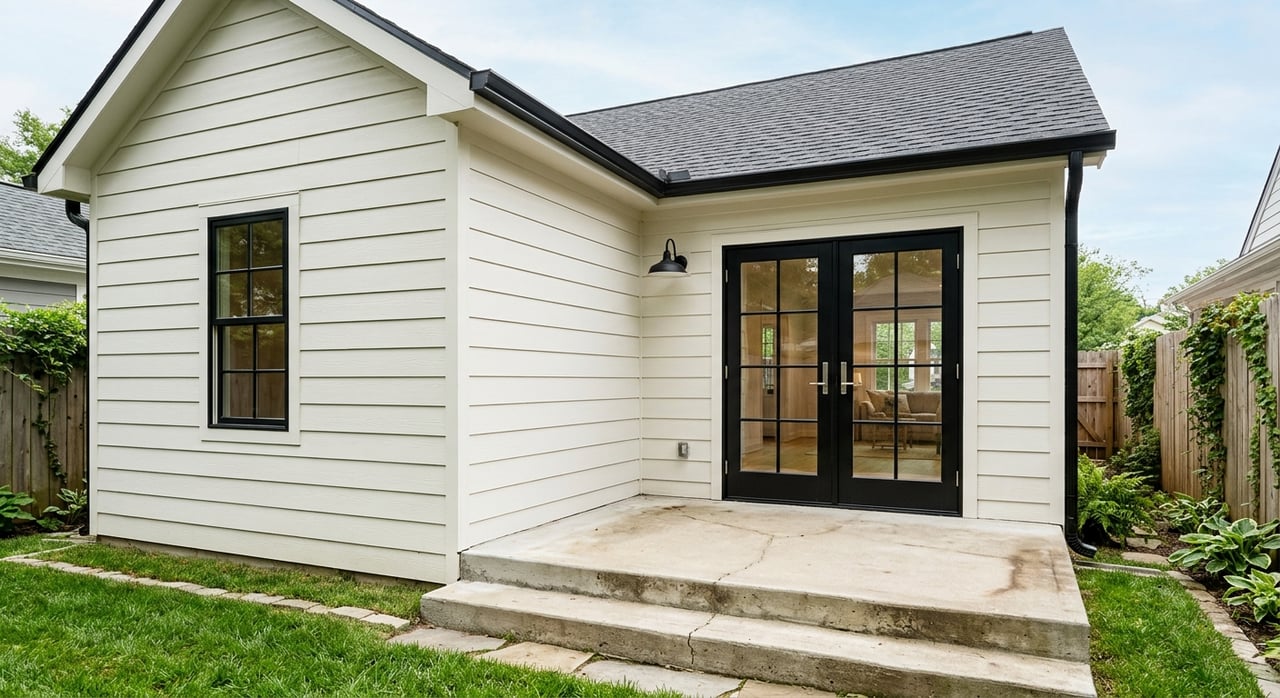
How to Plan a Rehab Project in Havre de Grace
Thinking about rehabbing a property in Havre de Grace? It can be an exciting way to add value, improve function, or prepare a home for resale, but it can also get complicated fast if you miss a permit, underestimate review time, or overlook site-specific rules. If you are planning a rehab in the 21078 area, this guide will help you understand the local process, common risks, and the smartest steps to take before work begins. Let’s dive in.
Before you price contractors or order materials, get clear on what kind of rehab you are actually planning. In Havre de Grace, many structural changes and exterior improvements require permits, while many cosmetic updates usually do not.
According to the city permit FAQ, renovations, additions, decks, fences, garages, demolition, driveways, retaining walls, patios, pools, hot tubs, and solar work generally require permits. Purely cosmetic or in-kind replacements like painting, carpet, tile, cabinet installation, and same-size window, siding, door, or shingle-only reroofing usually do not.
That distinction matters because a "light rehab" can turn into a permit project quickly if you move walls, change structure, add square footage, or alter site features. A clear scope up front helps you budget more accurately and avoid delays later.
Rehabbing an older home is not the same as building a new one from the ground up. In Harford County, the Maryland Rehabilitation Code is based on the 2021 International Existing Building Code, and Havre de Grace has also adopted the 2021 International Property Maintenance Code.
For you, that means the project is often reviewed as an existing-building compliance issue. That can affect how repairs, upgrades, and safety requirements are evaluated, especially in older homes where current conditions may not match modern standards.
One of the biggest rehab mistakes is treating permits like an afterthought. In Havre de Grace, permit timing can directly affect your contractor schedule, financing timeline, and carrying costs.
Harford County says building permit applications can be submitted through ePermit, by email, or in person or mail. Typical submittals may include a site plan or survey, detailed construction plans, and supporting documents such as a contractor contract, deed, IECC form, sprinkler plan, insurance documents, license documents, plot plans, or owner authorization depending on the scope.
The city notes that residential and commercial permits can take up to two weeks, while permits sent to Harford County can take up to 30 days, based on the city’s permit guidance. Permits are valid for 12 months, and you may request a one-time 3-month extension, but a permit can be voided if no substantial work or inspections occur within 6 months.
In Havre de Grace, rehab oversight may involve both city and county touchpoints. The city states that some residential and commercial inspections are performed by Harford County on the city’s behalf, which can affect how you schedule phases of work.
Harford County’s Building Inspections page says inspections should be requested as work is ready, and no work should be covered before it is inspected and approved. Final closeout matters too, because a final Use and Occupancy certificate is required before occupancy and is issued only after all applicable final approvals are complete.
If you are tracking permit progress, the county’s ePermit Center records guide explains how to search public records by address, permit number, project name, parcel, or permit type. It also notes that for Havre de Grace building permits, the city maintains the building records, while the county keeps plumbing, electric, and HVAC records.
Older homes in Havre de Grace can come with added review requirements. If the property is a designated historic landmark or located in a designated district, exterior and structural improvements require a Certificate of Appropriateness review before building permits are issued.
The city’s historic landmarks and districts guidance makes this an important early checkpoint. If historic review applies, it can shape the design, materials, and timeline for your rehab.
This does not mean a project is impossible. It means you should verify status early, before finalizing scope or ordering materials that may not be approved.
If the property was built before 1978, lead safety should be part of your planning process. The EPA says renovation, repair, and painting can create hazardous lead dust, and lead-safe certified firms are required for covered work in pre-1978 housing.
The EPA also notes the rule generally does not apply to owners doing work in their own homes, but it does apply to homes being rented or renovated for resale. Maryland’s Department of the Environment recommends inspection when remodeling older homes because homes built before 1978 may contain lead paint.
For investors and resale projects, this is especially important. Lead-safe compliance can affect contractor selection, work methods, and project cost.
In Havre de Grace, floodplain conditions can change your budget and scope in a major way. The city identifies the Susquehanna River, Lilly Run, Fountain Run, and Gashey’s Creek as flood sources, and properties in a Special Flood Hazard Area may need added review.
According to the city’s floodplain management page, nearly all construction, structural repair work, and accessory-structure placement requires a building permit, and work in a Special Flood Hazard Area may also require a Maryland Department of the Environment permit. Planning staff can help determine whether a property is in the flood hazard area, estimate Base Flood Elevation, and identify LiMWA, V-zone, or floodway concerns.
The city also notes that standard homeowners insurance usually does not cover flood damage and that flood insurance often has a 30-day waiting period. If the property is near the water, this is something to review before closing or before committing to a rehab budget.
If the property is within 1,000 feet of tidal waters or wetlands, Chesapeake Bay Critical Area rules may apply. In Havre de Grace, all private projects in the Critical Area require planning review.
The city’s Critical Area guidance says this can include building permits, site plans, tree removal, and shoreline erosion control. The 100-foot buffer and modified buffer areas may also require mitigation when new impervious surface is added.
This is especially relevant if your rehab includes an addition, driveway expansion, garage, patio, or other exterior changes. Even when the interior work is simple, exterior changes can trigger more review than expected.
Exterior improvements can create another layer of review even when they seem minor. Harford County says all new development and redevelopment must address stormwater management through an exemption, waiver, or ESD/BMP design, according to the county’s stormwater management requirements.
For a rehab project, that can affect additions, garages, driveway changes, and other hardscape work. If runoff, grading, or impervious coverage changes, stormwater planning may become part of the approval process.
A strong rehab starts with the right team. Maryland’s MHIC licensing page says home improvement contractors and salespersons are licensed and regulated by the commission, and the Guaranty Fund applies only to work done by licensed contractors.
The same page says Maryland home improvement contractors must maintain at least $500,000 in general liability insurance. Havre de Grace also advises that contractors should be licensed through the Maryland Home Improvement Commission or Homebuilders Registration Unit, and warns that a business or commercial construction license is not acceptable for residential home improvement work.
The city also cautions against unsolicited door-to-door contractors. For rehab planning, that is a practical reminder to confirm license status, insurance, and permit responsibility before work begins.
Before you finalize your numbers, it helps to understand the property’s permit history. Harford County says permit records can be requested online and may date back to 1988, but the review is not comprehensive, does not confirm code compliance, and does not include an onsite inspection.
For Havre de Grace building permits, the city is the correct source for building records. This step can help you spot past additions, unfinished permits, or missing documentation that could affect your rehab scope.
If you want fewer surprises, use this order of operations before demolition starts:
A well-planned rehab is usually not about moving faster. It is about making fewer expensive mistakes.
In a place like Havre de Grace, rehab planning is not just about finishes and labor costs. It is about understanding how permits, inspections, historic review, floodplain risk, and site conditions can affect your timeline and return.
That is where local market knowledge matters. If you are buying, selling, or preparing a property for rehab, working with someone who understands both the transaction side and the project-management side can help you make cleaner decisions from the start.
Whether you are evaluating a potential flip, preparing a home for market, or deciding how much work makes sense before listing, Rose Calderone & Co. brings a disciplined, hands-on approach to real estate strategy, vendor coordination, and rehab planning support across Harford County.
Stay up to date on the latest real estate trends.



With deep knowledge of the Timonium market, we deliver expert guidance, proven strategies, and results-driven representation. Work with trusted real estate professionals dedicated to helping you achieve your goals.

ROSE CALDERONE & CO.
9614 Deereco Road Luthersville Timonium MD 21093